Grima & Strände
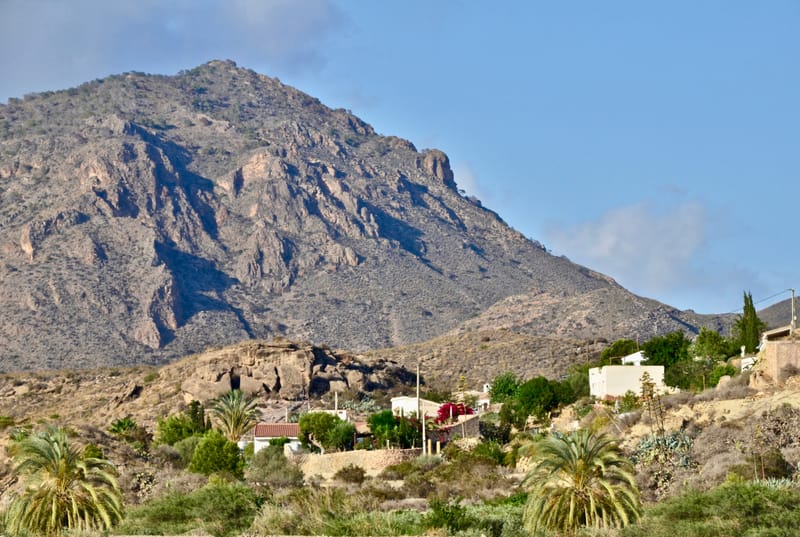
The village of Grima
Casa del Águila is located on the edge of the tiny village of Grima. Its roughly 30 inhabitants mostly make their living from agriculture. You won't find tourist crowds, bars, or restaurants in Grima, but you will find an abundance of rural idyll, and the sea is only a 10-minute drive away. Nestled among fields and olive groves, below the village square, lies the detached Casa del Águila. From the roof terrace, there is a magnificent view of the foothills of the Sierra Nevada. Mountain bikers can ride the hilly track to the beach right behind the house – the sea (5 km as the crow flies) can be reached in about 20 minutes. A roughly 90-minute walk to the sea is particularly recommended in spring, autumn, and winter. Or take a morning stroll through Grima's biotope, a stream that is home to water turtles and rare bird species.
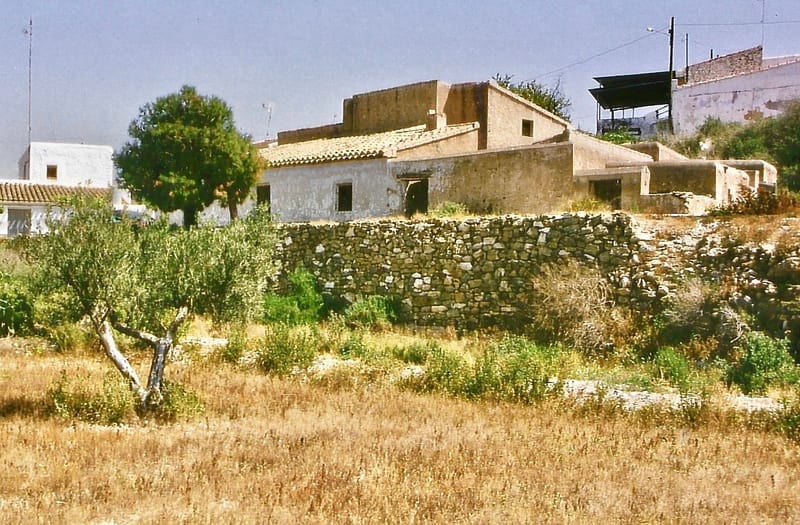
The story of Grima and the Casa del Águila
According to oral tradition among villagers, the place name GRIMA is of Moorish origin. However, its exact meaning is lost to history. Between 1850 and 1900, the precious metals trade flourished between Los Lobos and Cuevas del Almanzora. Mines hollowed out the mountains throughout the area, and metal processing factories sprang up like mushrooms. Even today, numerous ruined mine structures can be seen on the slopes of Los Lobos. The region was renowned for its silver, zinc, and copper deposits—and its abundance of water. Large ships laden with precious metals once plied the Almanzora River, now dammed, supplying the entire Mediterranean region. After the Almanzora River was drained and metal mining modernized, the population of the province of Almería became one of the poorest regions in Europe overnight, beginning in 1910. The advancing industrialization suddenly left this area fallow and impoverished, and technological advancements were left behind. Thus, Grima only saw the light of day in 1960, and in 1970 the villagers were finally able to enjoy running water from a pipe for the first time. Fortunately, Grima has numerous small springs, so water scarcity is not a problem in this area. With the renovation of the Casa del Águila in September 1997, a breath of fresh air suddenly swept through the old building – within a year, it had been brought back to life. Although the Casa del Águila had stood empty for 30 years, it had a sound structure, and all but one of its three roofs were in very good condition. The small, and for its time quite substantial, farmhouse had been extended and had stories added to it several times in the past, giving it the typical regional architecture of staggered shed roofs. A charming layout with different levels in the living area is typical of Andalusian country houses. During the Spanish real estate boom of the early 2000s, many traditional fincas and cortijos were demolished and replaced with new buildings. Unfortunately, few rural residents realized the traditional values they were destroying. Based on its wall structure and a historical find on the property, the house was estimated to date back to around 1850. At that time, a cholera epidemic raged across Europe, reaching as far as Andalusia (Lorca). Fearing infection, villagers supplied the sick with daily food through an opening in the wall. This is how the typical "cholera holes" came about – small hatches through which food was passed to the inhabitants. This wall opening allowed the Casa del Águila to be dated to different seasons. Even after its renovation in 1997, the house has changed several times since becoming what it is today – a little paradise.
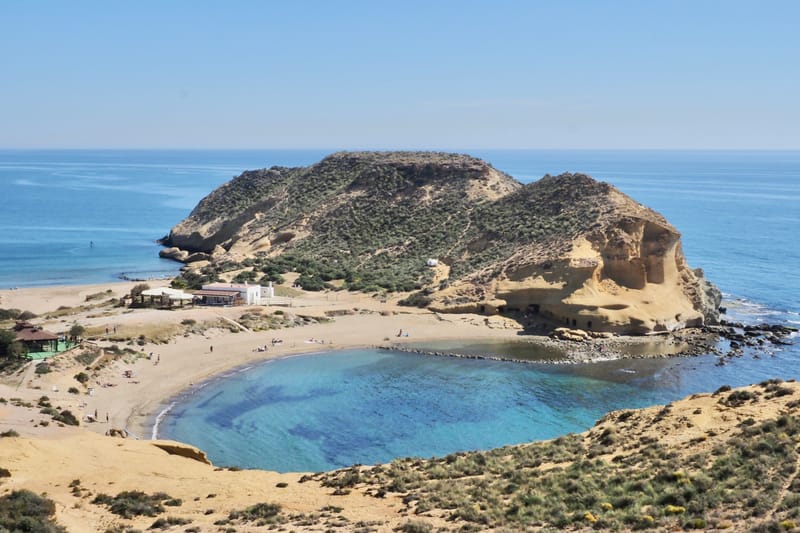
Nearby beaches
The beaches of Almeria province are diverse. From Casa del Águila, it's only a 10-minute drive to the beaches between San Juan de los Terreros and Águilas. All along the coast, you'll find several beautiful coves with sandy beaches. If you prefer pebble beaches, Cala Panizo is the place for you, with its lovely, secluded coves. Puerto Rey and Mojàca are ideal for lovers of long sandy beaches and nudists. Arguably the most beautiful beaches are located at Cabo de Gata (Agua Amara and Playa Genovese), and the water quality is excellent throughout this Mediterranean region. If you'd like to walk to the sea from Casa del Águila, you can take the path through the Sierra de los Pinos hills (5-6 km) directly behind the house. After about a 90-minute walk, you can cool off in the sea at Pozo del Esparto and treat yourself to a set menu at the restaurant "La Frontera". (Closed Mondays)
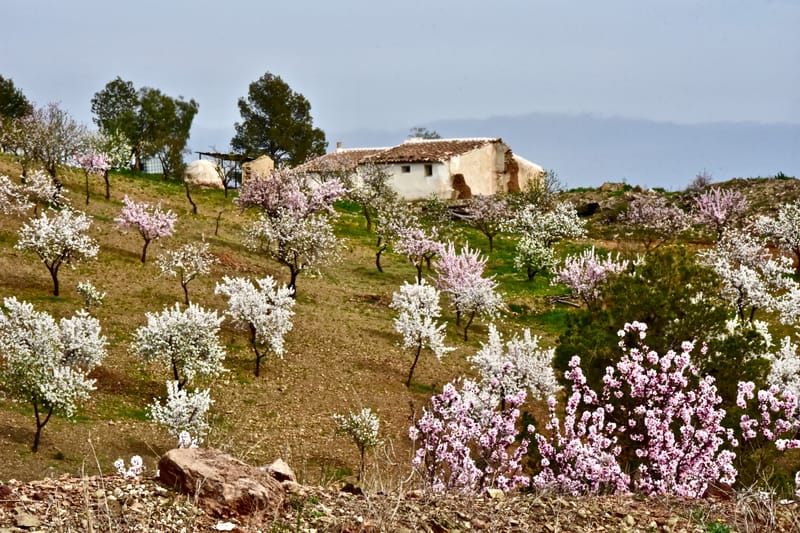
Nearby places
Cuevas del Almanzora is the nearest larger town (15 km). A provincial weekly market takes place on Tuesdays and Thursdays in the castle square. Just outside Calgüen, nestled in a breathtaking limestone mountain landscape, you'll find historic, uninhabited cave houses (cuevas). A little further on is the Luna Water Park, where sports enthusiasts can try wakeboarding. The white mountain village of Mojacar is a tourist highlight. Charming cafés and restaurants in this artists' village invite you to enjoy Spanish delicacies and fine wines. The local museum, which offers insights into past Spanish life, is also highly recommended. Velez Blanco (80 km) enchants visitors with its fantastic mountain scenery, and the rolling landscape is breathtaking from early to mid-February, when it bursts into bloom with almond blossoms.